Central Serengeti, Tanzania
Central Serengeti — The Heart of the Plains
The great pride on the kopjes, a leopard in the fig trees, and nights alive with sound — abundance meeting stillness.
- serengeti
- kopjes
- leopard
Central Serengeti, Tanzania
The great pride on the kopjes, a leopard in the fig trees, and nights alive with sound — abundance meeting stillness.
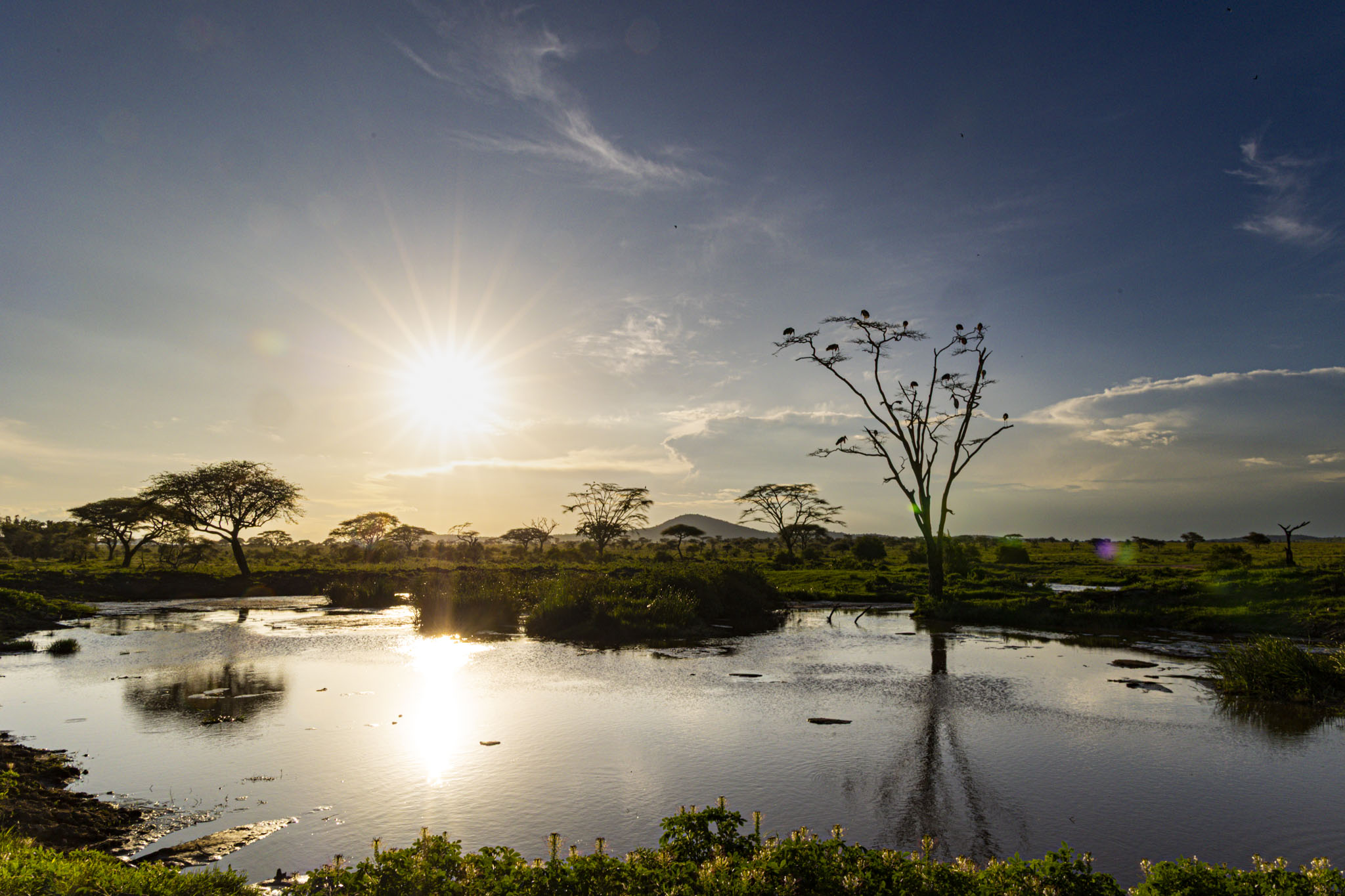
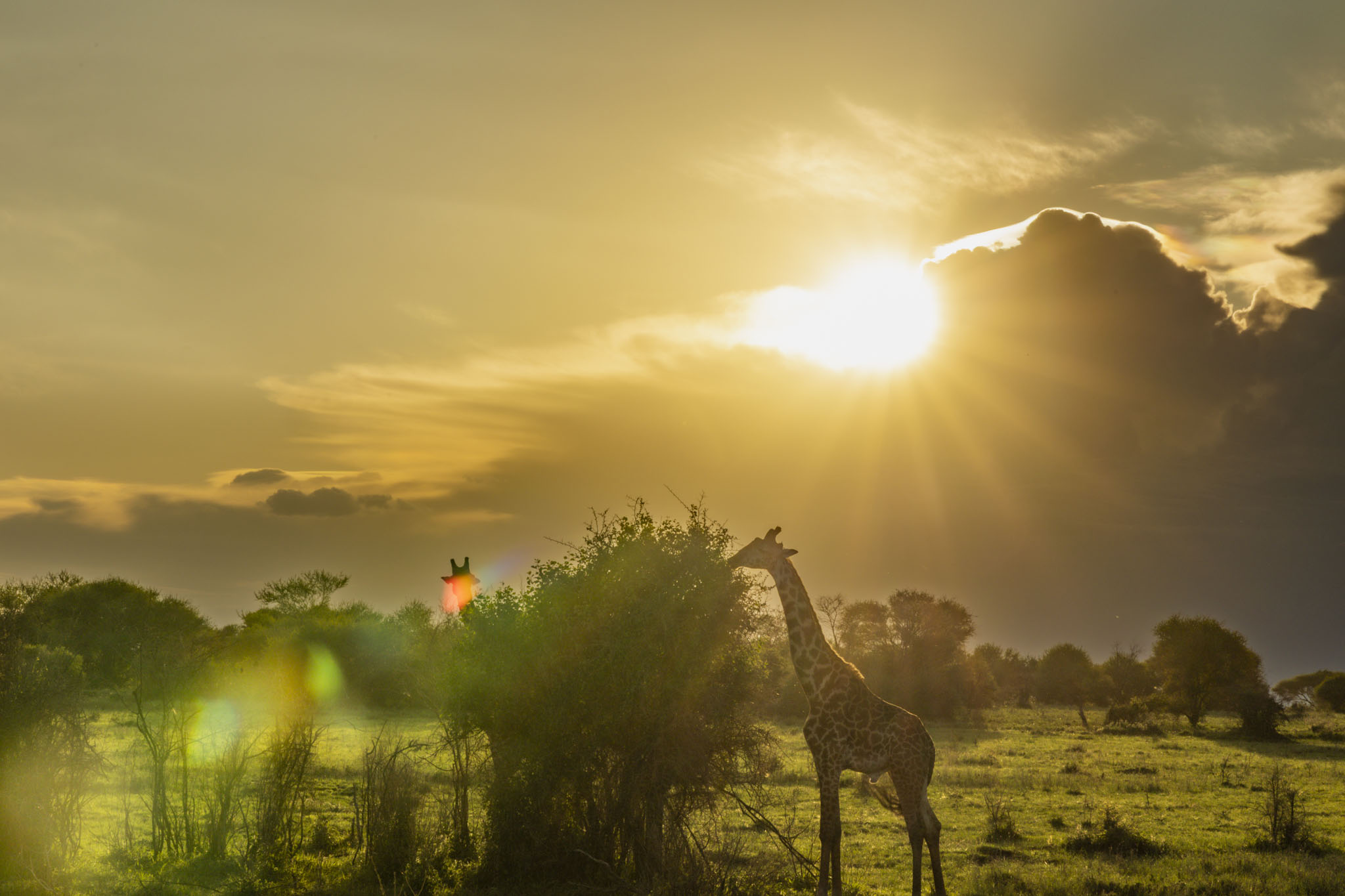
The drive north from Ndutu felt like slipping deeper into Africa’s logic — the land widening, grass cropped short, light sharpening. This was the Serengeti most people imagine: endless horizons, acacia silhouettes, and the quiet certainty that something extraordinary could happen at any moment.
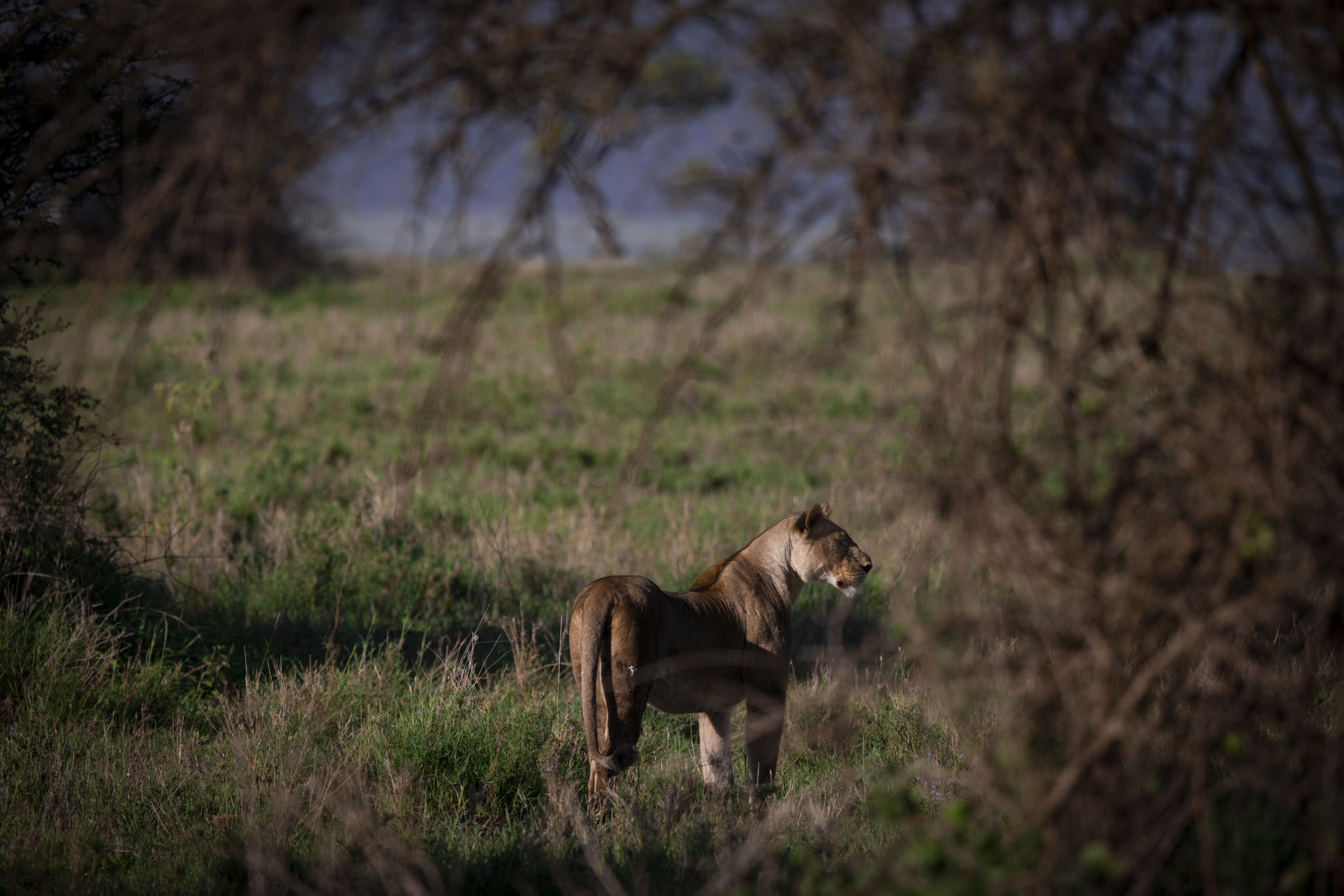
We found them in gold light, lionesses scattered across a chain of kopjes, cubs tumbling between rocks, two males half-asleep in the grass. Twenty strong at least. Watching them felt like observing a perfectly tuned system — energy distributed, roles understood, patience weaponized. When the pride finally rose for the evening hunt it was choreography in silence. Power rarely needs to announce itself here.
Later that afternoon a leopard draped itself over a fig branch above a dry riverbed — a singular silhouette against the sky. It barely moved in the hour we watched. Every so often it glanced down, flicked its tail, and returned to stillness. My first African leopard wasn’t a chase or drama; it was presence distilled.
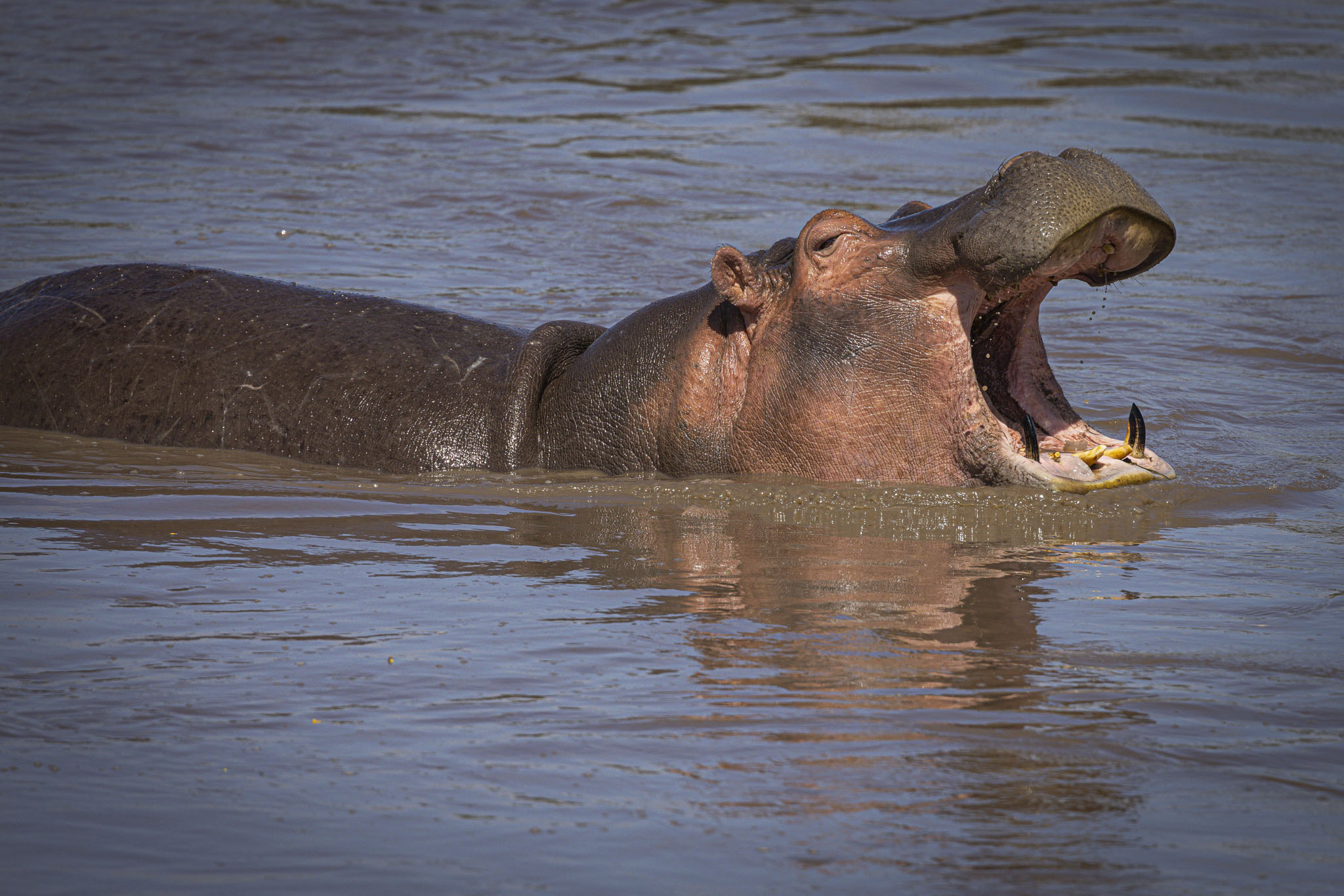
Along the river hundreds of hippo packed the water so tightly it looked solid. Low grunts, bellows, splashes — another ecosystem layered on the plains. After dark their calls rolled through camp, meeting distant hyena laughter and the heavy silence between. Central Serengeti wasn’t about single moments; it was volume — of life, of sound, of memory. Everything alive at once.
By the time we left, the Serengeti had stopped feeling vast. It felt intimate — a living organism you might understand if you stayed quiet long enough. Ndutu had been adrenaline; Central was awareness. The wild isn’t chaos. It’s precision running on rules older than ours.