Lake Manyara National Park, Tanzania
Lake Manyara National Park — The Forest and the Elephant
Dense forest, endless baboons, blue monkeys, and a lone elephant that dictated the day’s pace.
- lake manyara
- forest canopy
- primates
Lake Manyara National Park, Tanzania
Dense forest, endless baboons, blue monkeys, and a lone elephant that dictated the day’s pace.
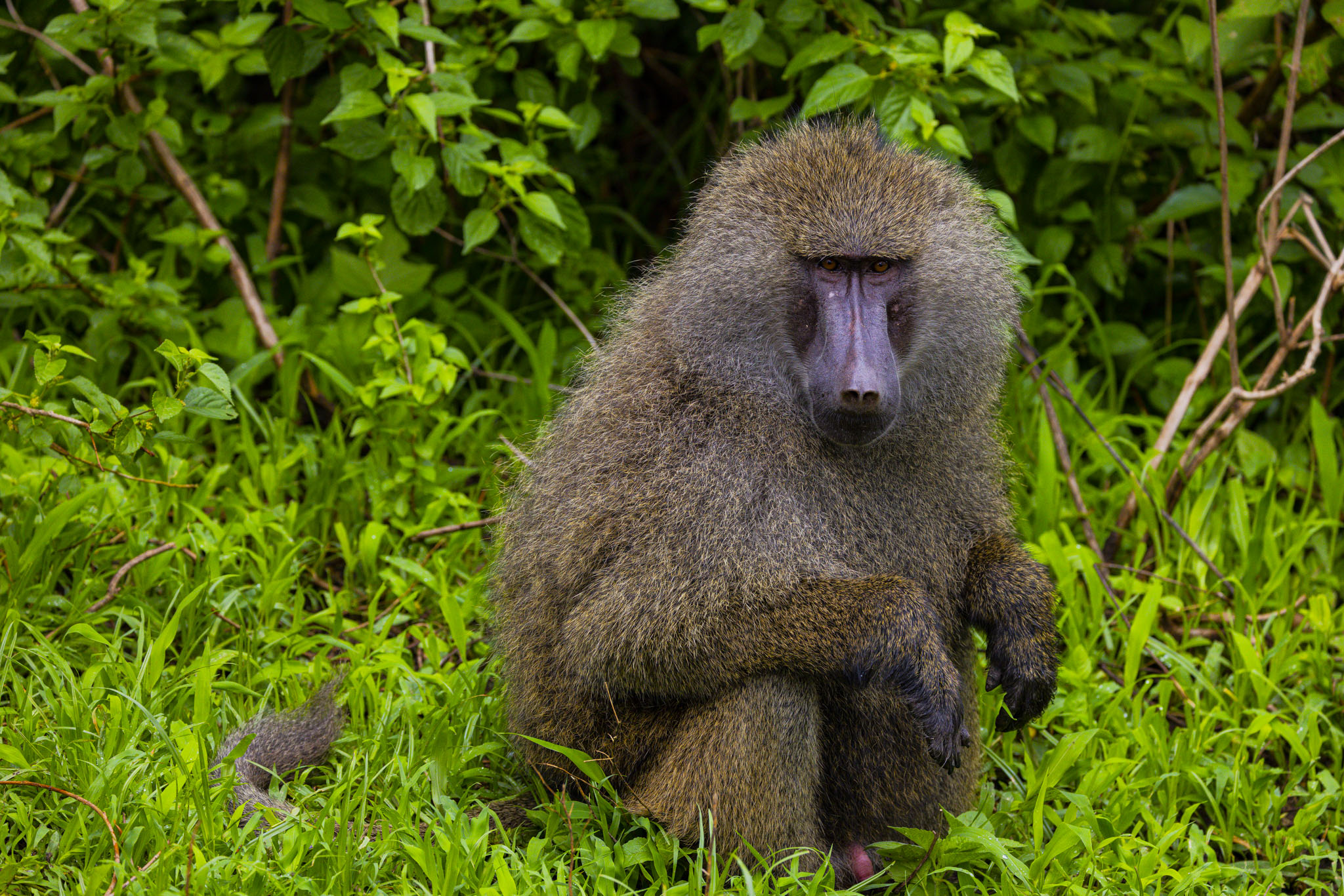
After Tarangire’s open plains, Manyara felt like stepping into a cathedral of green. The canopy closed in, the air thick with moisture and birdsong. It was intimate, alive, unpredictable. The soundscape shifted from wind to chatter — baboons barking, monkeys rustling, insects humming as the day warmed.
The road curved through fig and mahogany, every bend lined with baboons — hundreds of them living their whole lives a few metres from the track. Grooming, sparring, foraging. Above them, blue monkeys moved at a faster cadence, flashes of motion against filtered light. Manyara wasn’t vast like Tarangire; it was dense, layered, personal.
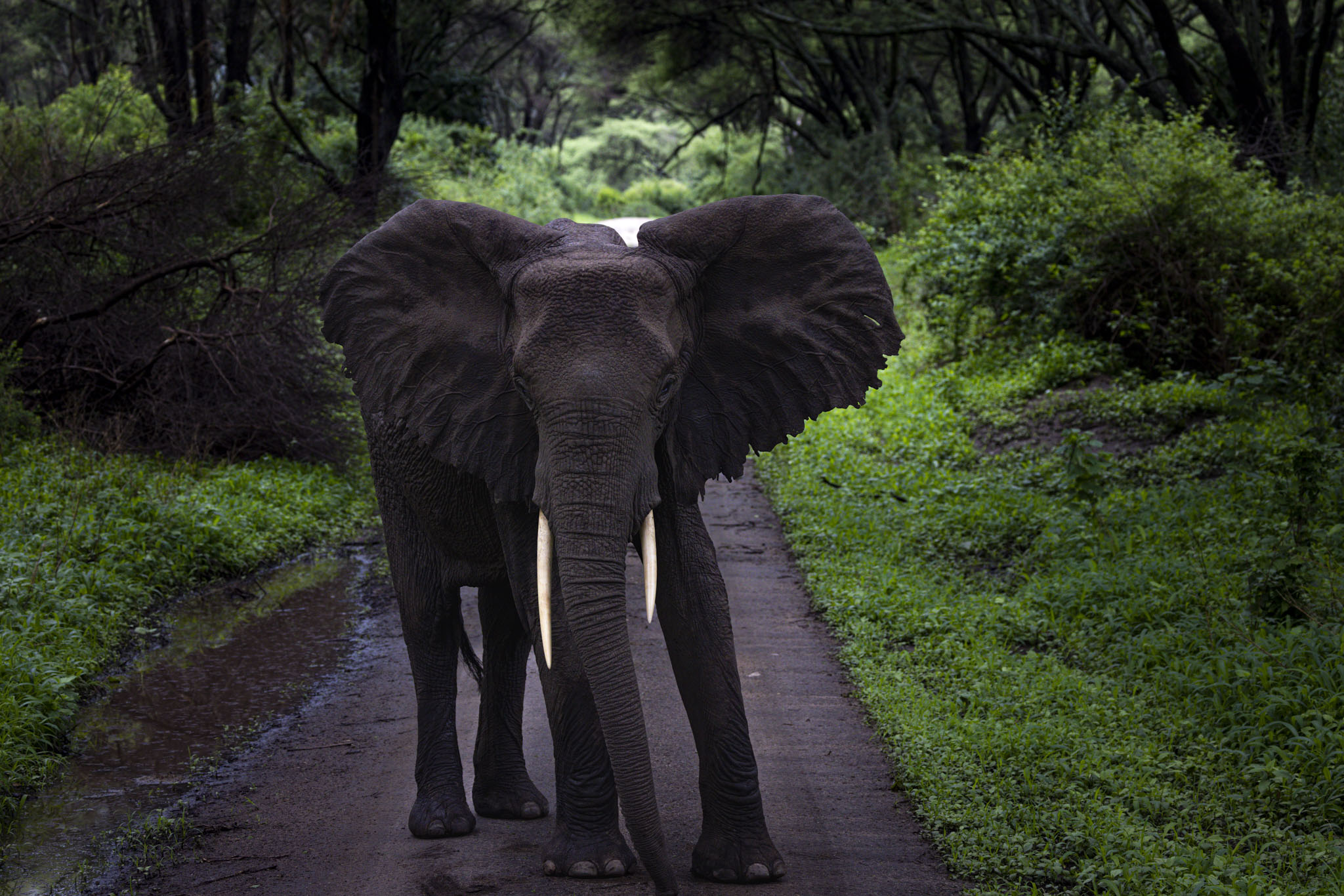
Mid-morning a lone bull elephant stepped onto the road and stopped. No threat. No panic. Just a quiet assertion that our timeline didn’t matter. For half an hour he flicked an ear, shifted his weight, and glanced back at us as if to ask, what’s the hurry? Eventually he turned, ambled down the track ahead, and disappeared into the forest. It felt less like delay and more like instruction.
After sunset, silhouettes emerged from the darkness near camp. Elephants again — silent, deliberate — drinking at the waterhole, holding still in the moonlight before melting back into the trees. Manyara felt smaller than Tarangire, but somehow deeper, as if it contained its own weather system.
Manyara was where adrenaline softened into observation. It slowed everything, forced attention, and taught me that wonder doesn’t always roar — sometimes it simply stands in the road until you learn to wait.